Cocoa that grows with the forest.
Protecting the Atlantic Forest guides everything we do. For us, it is vital to the business.

The cabruca system
In cabruca, a centuries-old tradition in Southern Bahia, cocoa trees are planted under the Atlantic Forest canopy without clearing the forest.
The method has Indigenous roots and has been refined over time. The result is cocoa grown in balance with one of the richest biomes on the planet.
That is where our name comes from, and our commitment to future generations.
-
The forest
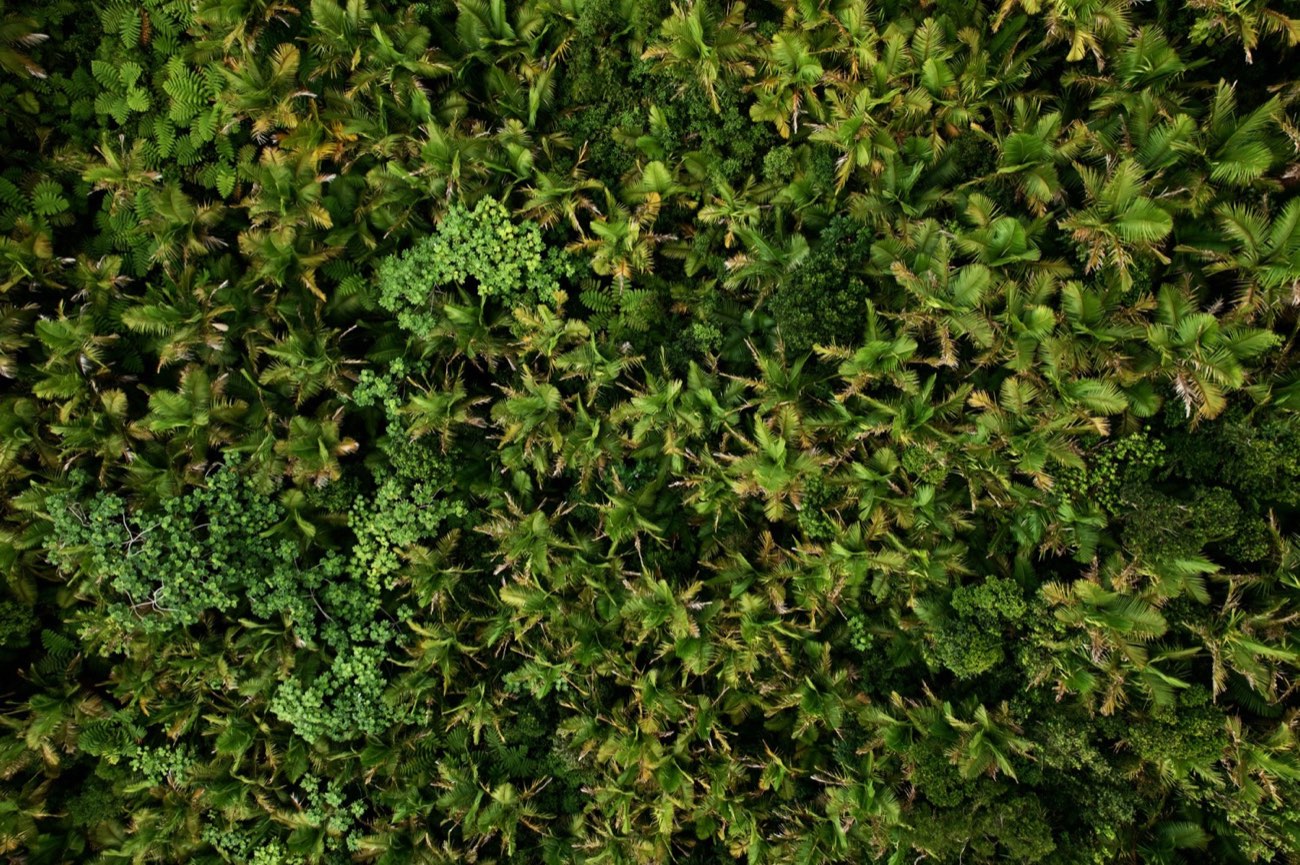
The Atlantic Forest canopy, seen from above. Native trees cast the shade, and the forest's wildlife stays.
- JequitibáCariniana
- EmbaúbaCecropia
- Juçara palmEuterpe edulis
- Golden-headed lion tamarinLeontopithecus chrysomelasEndangered
-
The cocoa tree
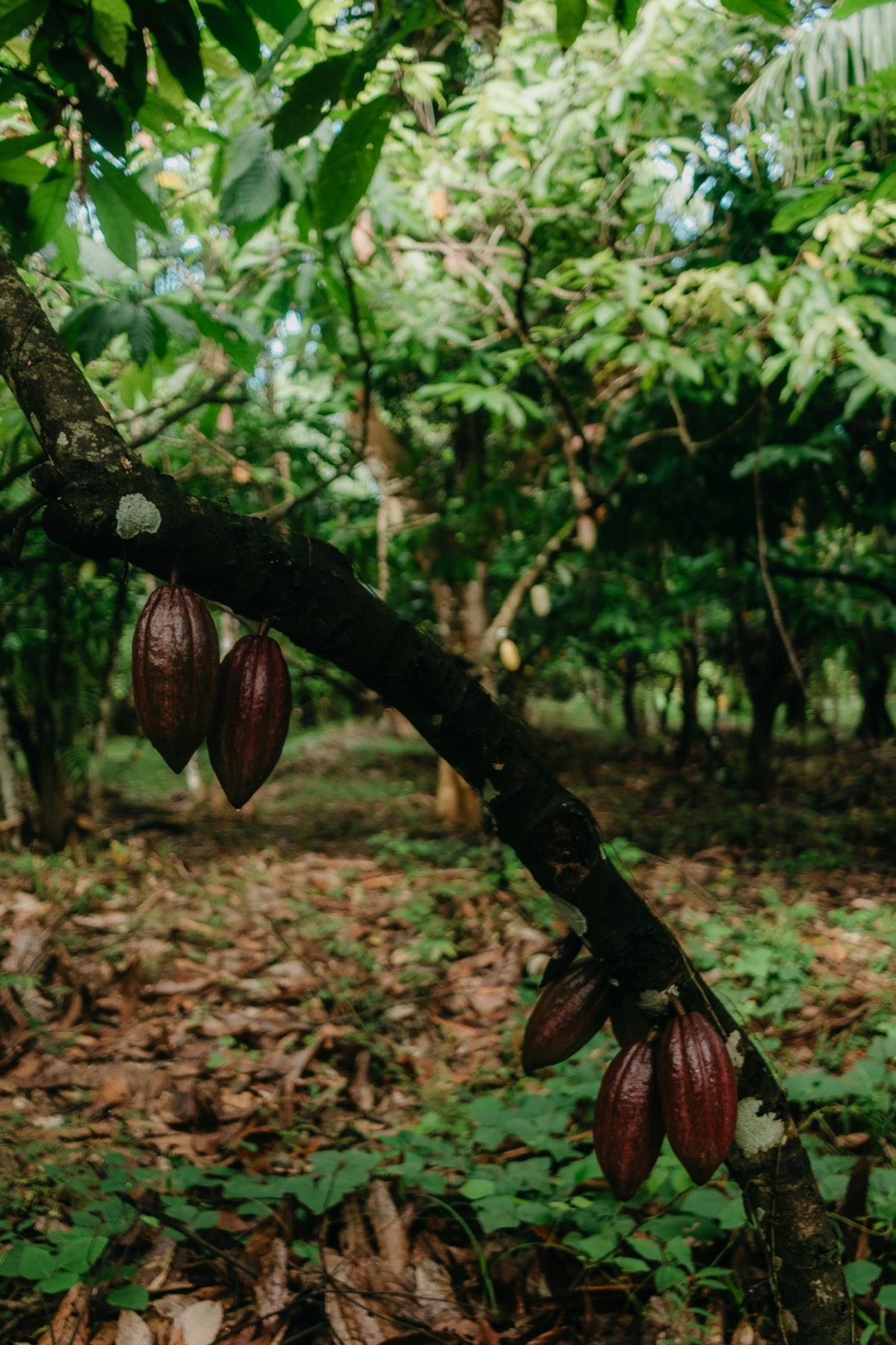
Cocoa trees in the shade of native trees. The cocoa tree grows underneath, in the shade, without the forest being cleared.
- Cocoa treeTheobroma cacao
-
The pod
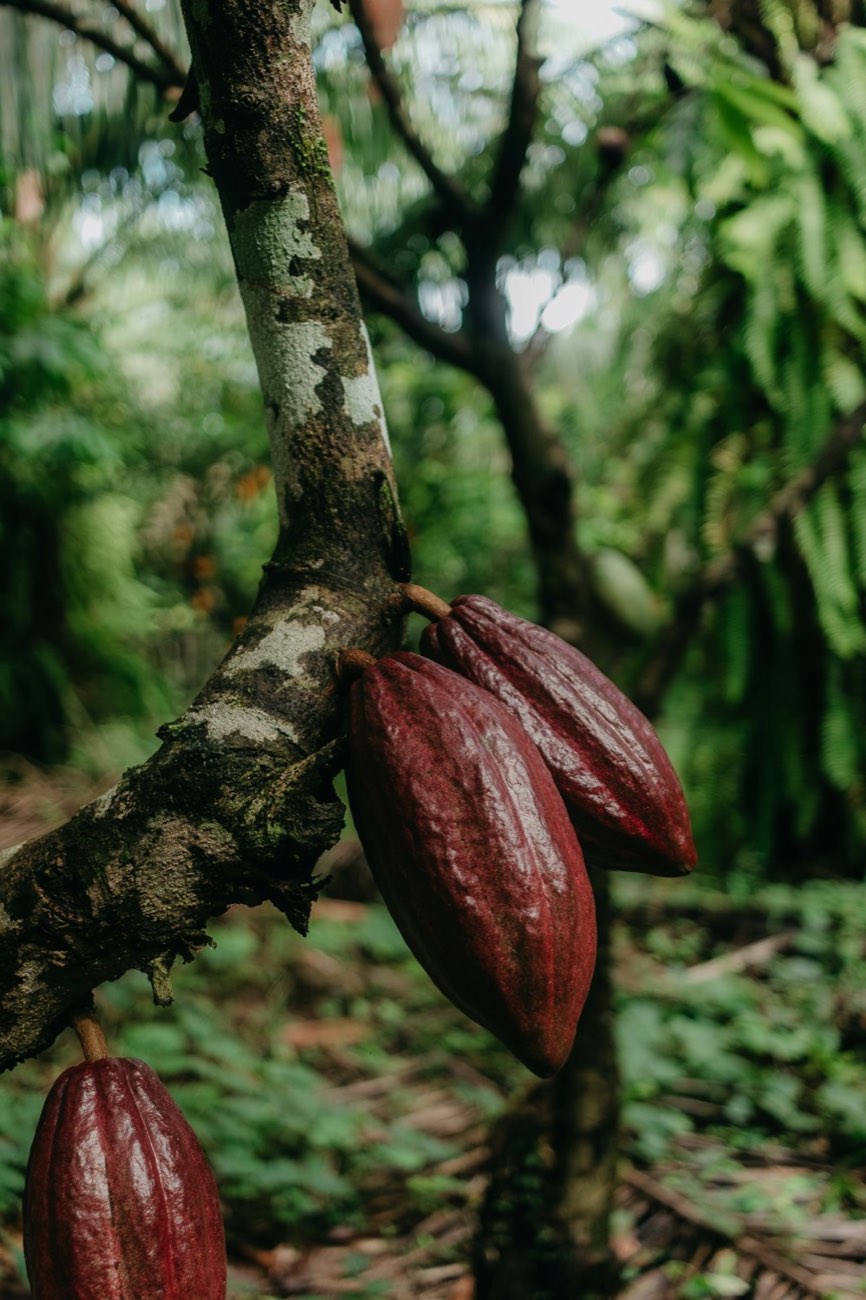
Pods grow straight from the trunk. Pods grow straight from the trunk and branches. Harvested when ripe, they become the beans we ferment and sun-dry.


How we ensure quality
From the cocoa tree to the final product.

Good practices in the field
Farm management approved by environmental agencies and monitored by CEPLAC, Brazil's cocoa research authority.
Controlled processing
Careful fermentation and sun-drying, down to 7.5% moisture at most, with quality tests at the end of every stage.
Support for members
Agronomic consulting exclusively for members, with access to technology and best practices.
Transparency for buyers
With the agritech company Dimitra, we track forest cover on our farms and record where every lot comes from.
Buyers know where their cocoa comes from and how it was grown.
Satellite
Satellite imagery follows the forest cover of each farm.
Field sensors
Where the canopy hides the cocoa from the satellite, sensors on the ground fill in the data.
Farm-level records
Records are kept per farm on a blockchain, with the information the EU Deforestation Regulation (EUDR) requires.
Southern Bahia to Switzerland8,400 kmabout, as the crow flies